
Tirzepetide
What is Tirzepetide?
1/4/20262 min read
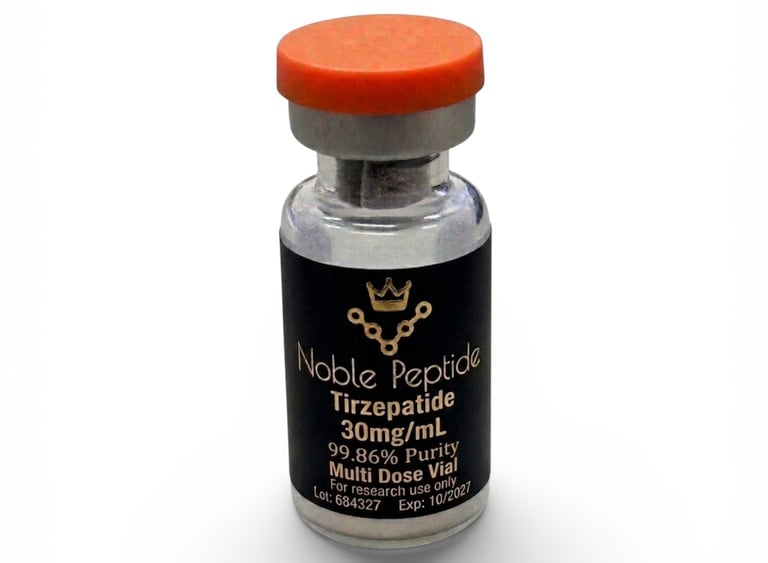

Tirzepetide is a dual GLP-1 (Glucagon-like-peptide-1) and GIP (glucose-dependent-insulinotropic polypeptide) receptor agonist. Developed by Eli Lilly. It is primarily used for type 2 diabetes management and obesity treatment, offering enhanced metabolic function, weight loss, and potential cardiovascular benefits.
It works by activating both GLP-1 and GIP receptors, improving insulin secretion, suppressing glucagon release, and enhancing pancreatic beta-cell function. It has appetite suppression and satiety enhancement by delaying gastric emptying, reducing hunger signals, and promoting sustained fullness, leading to decreased caloric intake. In terms of metabolic regulation, it improves insulin sensitivity, reduces postprandial glucose spike, and enhances lipid metabolism, supporting cardiometabolic health.
Tirzepetide demonstrated significant weight loss, making it a promising therapy for obesity and metabolic syndrome in type 2 diabetes management. It lowers HbA1c levels, improves glucose control, and may reduce reliance on insulin therapy. When it comes to cardiovascular health. Data suggest improvement in blood pressure, cholesterol levels, and inflammation markers, potentially reducing cardiovascular disease risk.
Dosage & Administration: Starting at 2.5mg once a week and gradually increasing to a maximum of 15 mg per week based on tolerance and therapeutic goals. However, some have found that injecting on an empty stomach causes more side effects.
Side Effects: Tirzepetide is generally well tolerated, but common side effects include gastrointestinal discomfort (nausea, vomiting, diarrhea, or bloating), particularly during dose escalation. Potential risk of pancreatitis, thyroid tumors (as seen in animal studies), or gallbladder disease. Blood glucose fluctuations require monitoring of glucose level and kidney function during treatment. Patients with a history of thyroid cancer, pancreatitis, or sever gastronintestinal conditions should use tirzepedtide with caution and under medical supervision.
Other side effects reported: hair loss after a few months of using. Data also showed that tirzepetide increases hair loss by 30% in clinical trials. However, there are ways to combat hair shedding by supplementing multi-vitamins that are missing in the body during therapy to do decreased in caloric intake. Proteins are another recomemdation such as a protein shake or simply comsume for protein base food. This will lower the amount of hair shedding, but not significantly compared to before therapy. Shedding will happen, but potentially on the lesser amount.
Disclaimer
Reach out anytime for peptide inquiries.
1. Research Use Only: All products provided by Noble-Peptide.com are intended solely for in-vitro laboratory research purposes. These materials are expressly forbidden for any form of human or animal use, ingestion, or administration.
The products offered on this platform are not formulated, designed, or intended to diagnose, cure, mitigate, treat, or prevent any diseases or medical conditions.
2. All products are sold for research, laboratory, or analytical purposes only, and are not for human consumption
Contact
info@noblepeptide.com
© 2025. All rights reserved.