
Retatrutide
Retatrutide is a novel triple hormone receptor agonist that simultaneously activates GLP-1, GIP, and glucagon receptors for superior metabolic effects. This innovative approach produces enhanced appetite suppression, improved insulin sensitivity, and increased energy expenditure, potentially delivering 20-25% weight loss in clinical trials.
1/4/20263 min read
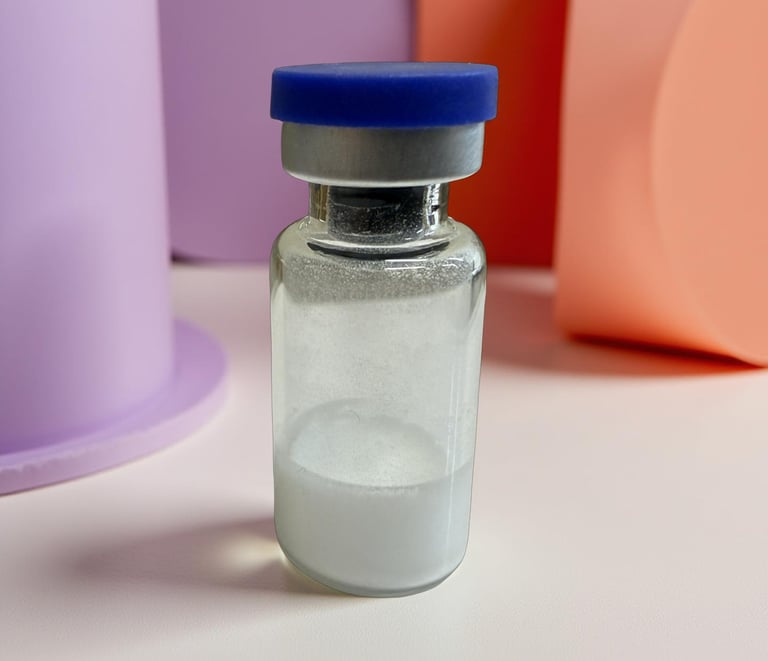

Retatrutide Dosing Guide
Primary Benefits
Exceptional weight loss (up to 24.2% in trials)
Superior appetite suppression through triple agonism
Improved insulin sensitivity and glucose control
Enhanced energy expenditure and fat oxidation
Significant HbA1c reduction in diabetic patients
How It Works
Simultaneous activation of GLP-1, GIP, and glucagon receptors creates synergistic metabolic effects through enhanced appetite suppression, improved insulin sensitivity, increased energy expenditure, and optimized fat oxidation pathways for superior weight management outcomes
Molecular Weight4924.6 Da
Half-Life5-7 days
Clinical Evidence
TRIUMPH-1 Phase 3 Weight Management Study
Primary endpoint: percent weight loss from baseline. Secondary endpoints: achieving ≥20% weight loss, cardiovascular risk factors
TRIUMPH-2 Diabetes and Weight Management Trial
Dual primary endpoints: HbA1c reduction and weight loss percentage. Comprehensive safety and tolerability assessment
Long-term Safety Extension Study
1200 participants156 weeks
Long-term safety profile, weight maintenance, metabolic parameter sustainability, quality of life measures
Quick Reference
Typical Dosage Range
Standard escalation begins with 2.4 mg weekly for 4 weeks, followed by 4.8 mg weekly for 4 weeks. Further increases to 7.2 mg and a maximum of 12 mg weekly should occur at 4-week intervals based on clinical response and tolerability. Most patients achieve optimal results at 7.2-12 mg weekly for weight management.
Administration Methods
Subcutaneous injection using pre-filled pens or vials with separate syringes. Injection sites include the abdomen, thigh, or upper arm. Rotate injection sites weekly to prevent lipodystrophy. Administer on the same day each week, any time of day, with or without meals. If a dose is missed, administer as soon as possible if within 4 days; otherwise, skip and resume regular schedule.
How Retatrutide Works
From Injection to Results
The Triple Activation
Retatrutide begins binding to GLP-1, GIP, and glucagon receptors simultaneously
WHAT'S HAPPENING
Triple receptor engagement initiates a coordinated metabolic cascade
WHAT YOU NOTICE
Enhanced satiety signals begin, glucose stabilizes
2-12 hours
Metabolic Optimization
Peak receptor activation drives appetite suppression and glucose control
WHAT'S HAPPENING
Insulin sensitivity improves, glucagon promotes fat oxidation
WHAT YOU NOTICE
Reduced hunger, stable energy levels, improved focus
12-48 hours
Sustained Benefits
Extended receptor occupancy maintains metabolic improvements
WHAT'S HAPPENING
Continued appetite control and enhanced energy expenditure
WHAT YOU NOTICE
Consistent satiety, improved physical performance
48-168 hours
Weekly Optimization
Weekly dosing maintains steady therapeutic levels until the next injection
WHAT'S HAPPENING
Sustained metabolic benefits throughout the week
WHAT YOU NOTICE
Maintained weight loss momentum, consistent energy
The Science Behind It
IN PLAIN TERMS
Think of retatrutide as conducting a three-part metabolic orchestra. It tells your brain to feel full (appetite control), helps your body use sugar better (glucose control), and revs up your metabolic engine to burn more fat. It's like having three different weight loss mechanisms working together instead of just one.
TECHNICAL DETAILS
Retatrutide functions as a triple agonist targeting GLP-1, GIP, and glucagon receptors simultaneously. GLP-1 receptor activation provides appetite suppression and glucose-dependent insulin secretion. GIP receptor engagement enhances insulin sensitivity and promotes satiety. Glucagon receptor stimulation increases energy expenditure and promotes fat oxidation. This synergistic triple mechanism creates superior metabolic effects compared to single or dual agonist therapies.
Why It Works
Simultaneous activation of GLP-1, GIP, and glucagon receptors creates synergistic metabolic effects through enhanced appetite suppression, improved insulin sensitivity, increased energy expenditure, and optimized fat oxidation pathways for superior weight management outcomes
Weekly Cycle
You'll experience 5-6 days of peak appetite control each week with retatrutide. The triple receptor mechanism (GLP-1/GIP/Glucagon) provides superior weight loss effects compared to single-target therapies, with sustained appetite suppression and enhanced metabolic function throughout the week.
What You Feel vs. What's Happening
First 2 Weeks
Significant appetite reduction, early weight loss, and possible mild GI effects
Triple receptor activation (GLP-1/GIP/Glucagon), enhanced satiety signaling, metabolic optimization
Weeks 3-8
Consistent weight loss, excellent appetite control, improved energy levels
Sustained triple receptor effects, optimized metabolic function, enhanced fat oxidation
Weeks 9-24
Significant weight loss (15-20%), maintained appetite control, improved health markers
Peak therapeutic effects, comprehensive metabolic improvements, sustained weight loss
Weeks 25-48
Continued weight loss (up to 24%), sustained appetite control, optimal metabolic health
Maximum therapeutic benefits, long-term metabolic optimization, sustained weight management
Long-term
Maintained weight loss, sustained appetite control, and optimal metabolic function
Established metabolic benefits, long-term weight management, sustained health improvements
Before vs. After Retatrutide
Weight Loss
Difficulty losing weight, frequent plateaus, limited success with other treatments
Weight Loss
Superior weight loss (up to 24% body weight), breaking through plateaus
Appetite Control
Poor appetite regulation, frequent cravings, and overeating tendencies
Appetite Control
Excellent appetite suppression, reduced cravings, natural portion control
Metabolic Function
Slow metabolism, insulin resistance, poor glucose control
Metabolic Function
Enhanced metabolism, improved insulin sensitivity, optimal glucose control
Energy Levels
Low energy during weight loss attempts, fatigue, poor exercise capacity
Energy Levels
Sustained energy during weight loss, improved exercise capacity
Treatment Response
Limited response to single-target weight loss medications
Treatment Response
Superior response due to triple receptor mechanism vs single-target therapies
Reported Side Effects
Nausea (most common, usually transient)
Vomiting
Diarrhea
Constipation
Abdominal pain
Injection site reactions
Fatigue during dose escalation
Decreased appetite
Headache
Dizziness
Side Effect Management Strategies
Nausea: Take with food, smaller meals, and ginger supplements
Vomiting: Slower dose escalation, anti-emetics if severe
Diarrhea: Adequate hydration, probiotics, bland diet
Constipation: Increase fiber intake, adequate fluids, and light exercise
Medical Disclaimer
Retatrutide is currently in Phase 3 clinical trials and is not yet FDA approved. This information is for educational purposes only and should not replace medical advice. Consult with healthcare providers familiar with investigational therapies for personalized guidance. Side effects and contraindications are based on available clinical trial data.
Disclaimer
Reach out anytime for peptide inquiries.
1. Research Use Only: All products provided by Noble-Peptide.com are intended solely for in-vitro laboratory research purposes. These materials are expressly forbidden for any form of human or animal use, ingestion, or administration.
The products offered on this platform are not formulated, designed, or intended to diagnose, cure, mitigate, treat, or prevent any diseases or medical conditions.
2. All products are sold for research, laboratory, or analytical purposes only, and are not for human consumption
Contact
info@noblepeptide.com
© 2025. All rights reserved.